

The Roman Empire’s northern borders in the third century extended from Britain, along the Rhine and Danube Rivers, to the Black Sea. Along the south it included northern Africa, Egypt, Syria and much of what is now Turkey in the east.
The fastest communications were by horse, or across the water, although seasonal winds were sometimes a factor and many ships refused to sail during winter months. News might take weeks to reach its intended recipient.
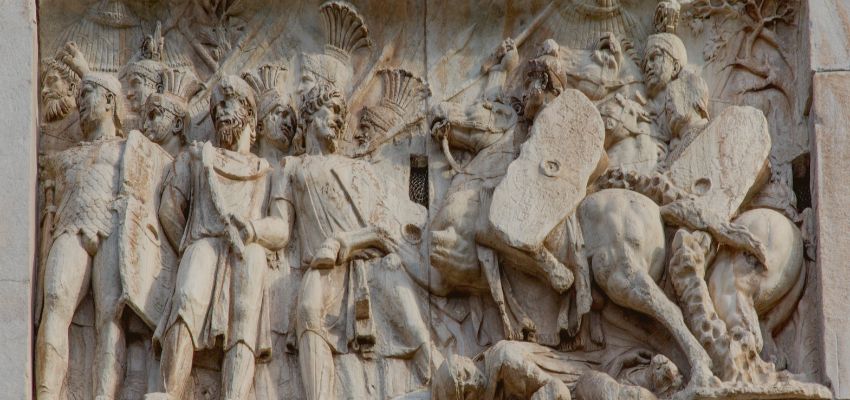
To deal with this issue, the empire had been administratively divided into provinces, each commanded by a governor entrusted with one or more legions to defend his province’s borders against numerous hostile tribes. Although Rome periodically replaced provincial governors, they sometimes became convinced they could do a better job leading the empire themselves. They would take some, or all, of their soldiers with them and march toward Rome to confront the emperor.
Whether successful or not, these civil wars opened borders to hostile invasions. Legions fighting legions depleted Rome’s military strength while it was already struggling to defend its extensive borders.
When an emperor selected a provincial governor, he needed someone capable of leading men in battle but who would also remain loyal to the emperor who appointed him. Rome’s history of civil wars suggests the difficulty emperors had in correctly judging a man’s loyalties.


I had no idea that Rome had civil wars. Thanks for the insight!