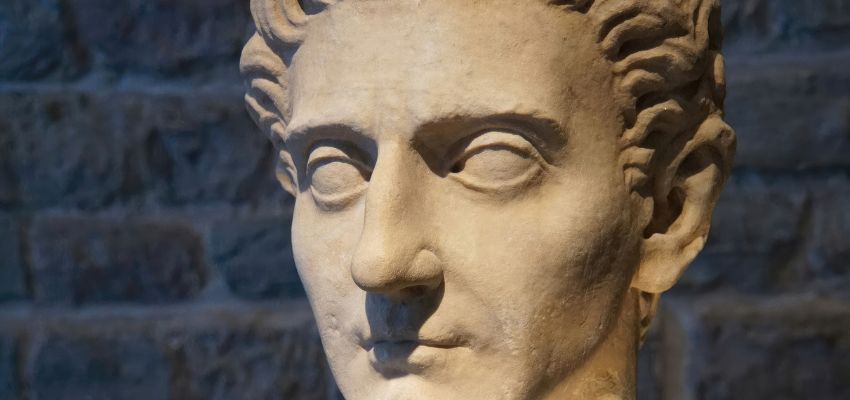

Most people, even history buffs, don’t walk around with the name “Gallienus” on the tip of their tongues. Mention Julius Caesar, Augustus, or Constantine and you’ll get a nod. But Gallienus? You’ll probably get a raised eyebrow. And yet, this forgotten emperor of the 3rd century AD became the beating heart of my novels. How did that happen?
Meeting Gallienus in the Shadows of History
When I first started reading about the Crisis of the Third Century, I was struck by how many emperors rose and fell like mayflies. One after another — assassinated, usurped, defeated. And tucked into the middle of this chaos was Publius Licinius Egnatius Gallienus, who ruled for fifteen years (AD 253–268) in an age where most emperors didn’t survive five.
The more I read, the more I realized that Gallienus was no cardboard villain or placeholder. He was a man trying to keep the empire afloat while enemies stormed the gates, plague ravaged the cities, and the economy collapsed. History books might give him a footnote — but to me, he looked like a story waiting to be told.
What Drew Me to Him
Several things made Gallienus irresistible as a central character:
– Longevity in chaos: He reigned far longer than most of his peers, which gave me room to explore his growth, struggles, and evolution.
– A reformer in disguise: Gallienus quietly reshaped the army, shifting command to professional officers and creating a rapid-response cavalry. Without those reforms, Rome might not have survived the century.
– Misunderstood personality: Ancient sources, often hostile to him, painted Gallienus as indulgent or frivolous. But reading between the lines, I saw something else — a man of culture and philosophy trying to balance duty with his own nature. That tension felt deeply human.
– A world on fire: Gallienus’ Rome was not the polished empire of Augustus. It was an empire in crisis — fractured, bleeding, scrambling to redefine itself. That backdrop is irresistible for a novelist.
From History to Story
The more I researched, the more Gallienus stopped being just a name. He became a voice in my head, a presence on the page. I started asking questions:
– How did he feel knowing his father, Valerian, was captured and humiliated by the Persians?
– What was it like to be surrounded by generals who owed him allegiance but sharpened knives behind his back?
– How do you lead an empire when you can’t trust the Senate, the army, or sometimes even your own family?
History didn’t give me the answers. Fiction let me imagine them.
Why He Matters
Gallienus became my central character because he embodies the tension of the 3rd century itself: survival in the face of collapse, innovation under pressure, and the lonely burden of power. Writing him has taught me that history isn’t just about dates and battles. It’s about people — flawed, brilliant, terrified, determined — doing their best when the world around them is falling apart.
Reader’s Corner
Have you ever discovered a “forgotten” figure in history or family lore who fascinated you more than the famous names? Share your story — I’d love to hear it!
This article was developed with the assistance of ChatGPT, an AI language model by OpenAI