
Aesculapius god of medicine (son of Apollo, the healing god)
So, what did the Romans do while they were waiting for penicillin to be invented?
A few years before Valerian and Gallienus became emperors, Rome had its millennial celebration. Much knowledge had been gained by trial and error in that time, as well as from other sources. Entire books could be written about Roman medicine, mercifully not my intention here.
A great deal of medical knowledge came after the Roman conquest of Greece, a lengthy process ending with the battle of Actium in 44BC. Hippocrates, a Greek physician and teacher (460-377 BC) is widely regarded as the father of modern medicine because of his systematic and empirical investigation of diseases and remedies. He wrote widely on his findings, details of which are beyond the scope of this discussion. Galen of Pergamon (now Bergama, Turkey), another Greek physician traveled extensively before settling in Rome about two centuries prior to Valerian’s and Gallienus’ reign (c129-216AD). His views of medicine profoundly influenced medical thinking for more than 1300 years after his death.
Many of the ancient artifacts of Rome reflect their knowledge of public health. Aqueducts brough in fresh water which many towns and villages depended upon for their survival (A fascinating historical novel about aqueducts and Mt. Vesuvius’ eruption is Pompeii, by Robert Harris). With some of this fresh water Romans had public baths and developed drainage systems, including public toilets and sewer systems to eliminate waste. (Cloaca Maxima in Rome). When they determined that burying their dead inside the city, they established cemeteries outside city limits. All these steps enabled cities to accommodate larger populations, led to greater health of their citizens, and thus increased longevity.
In Perilous Privilege most of my references pertain to battlefield medicine which Romans had extensive opportunities to refine and improve upon due to centuries of warfare, and work with gladiators. Operations needed to be quick and effective to stop bleeding and because anesthetics and drugs were rudimentary, after surgery prevention of infection was crucial. Many of the modern instruments used in surgery are remarkably similar to ones used by Roman physicians.
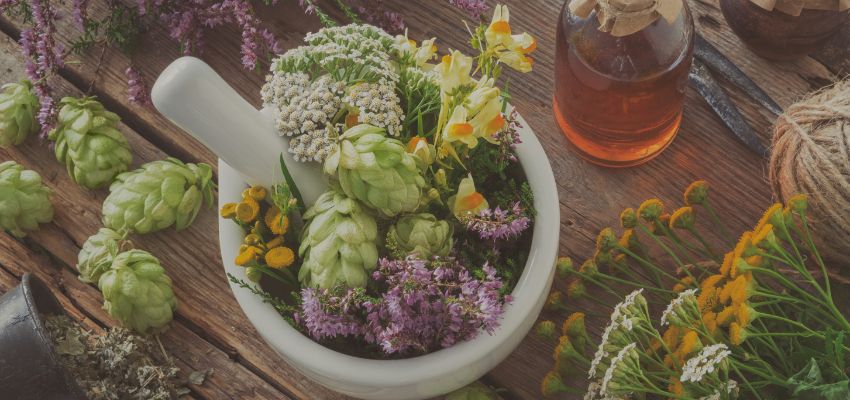
Experimentation with various herbs and plants must have occurred over many years. Specific items that worked for specific issues were discovered and used without any understanding of why they worked. Henbane seed was used for sedation. Aloe, oak bark and mallow solutions were used to treat burns. Oregano had antiseptic properties. Wine was used extensively and to good effect because of its alcohol content. Alcohol was found to be effective extracting active elements of medicinal plants when they were mixed together. So using a number of herbs mixed with wine (referred to as infusions) was a common practice. As an example artemisia (lemon plant) mixed with wine was used as an antiseptic.
Much of the population knew of beneficial effects from various herbs and plants. Many villas had their own herb gardens. Some other herbs and spices grown and/or used included garlic, myrrh, oregano, salvia, peppermint, and violet.
As some citizens grew more wealthy, a demand for cosmetic surgery arose. Nero even ordered a sex change operation for a young man who reminded him of his former wife. Not sure how that turned out.
Partial references:
Life in Ancient Rome, Adkins & Adkins,
www.mariamilani.com, Wikipedia: Galen